Biofach Nürnberg, Germany 2013

Every year in February, the biggest organic consumer goods fair in the world, called “Biofach Messe and  Vivaness“, in Nuremburg, Germany, draws members of the organic business community from all over the world, who flock to the fair to make and break deals, cultivate old relationships, form new ones, look for products, attend lectures, and explore the organic scene. Originally started in 1990, it is now chaired by the IFOAM, the International Federation of Organic Agriculture Movements. Conventional producers are not admitted to the show: even the various cafeteria, restaurants and food stalls carry only certified organic products.

Below a selection of memorable 2013 fair moments:

jet laggedThis is what jet-lag can do to those who come from far away times zones: at 4 pm sharp you will fall sound asleep, no matter what, no matter where. It’s better to plan for arrival in Europe a few days earlier, to allow for  long distance, time  travel adjustments. After all, you don’t want to end your business meetings looking like this.  Besides, there is so much excitement to miss:

cheese *Cheese! A considerable amount of fair real estate is dedicated to organic producers who make heavenly delicious cheese, mostly from Europe. Some introduced interesting novelty cheeses, such as Elderberry cheese. Lectures and tastings were held through all fair days.

organic meatOrganic meat producers were well represented at this fair. Here a display of cured Italian goods.

organic breadDelicious, healthy German bread (Bio, of course), to go with organic cheese and meats.

organic wineOrganic wine producers from  all main wine growing regions exhibit at Biofach, where you can taste and choose what you would like to offer to customers in your wine store, bar or restaurant.

organic brandyYou can either start, or end a meal with these delicious fruit brandies. They also go well with many deserts. This year a good amount of spirit producers were exhibiting promising creations.

Bionade Dame

Looking for a tasty, non alcoholic, energizing beverage? Just follow the beautiful lady.  Bionade is a cultured, fermented, Kombucha type drink, offered in various fruit and herb flavors, such as Elderberry, Quince and Ginger. Readily available in most German grocery stores and gastronomy.

Czech music

There is always some live music to catch at Biofach. These handsome men, dressed in proper folk costumes, were performing traditional music from the Czech Republic.

Indonesian dancer

Where there is music, there is dance. Here a performance in traditional costume by a lovely Indonesian fan dancer, wearing Chrysanthemum flowers in her hair.

IMG_4404 Planters filled with flowering medicinal and food plants are a welcome sight in the dead of winter in Germany. Sunflowers, Chamomile, Feverfew, Malva, Aconitum, Nicotiana, Cornflower, Maize, and a huge, white Apiaceae and a yellow Brassica family member invite you to stop and smell the herbs.

Rose and Chamomile flower waterDo you prefer to smell  flowers in a bottle? There is an entire hall dedicated to cosmetic and essential oil producers, called ‘Vivaness’. New products are artfully displayed in a museum-style cabinet. Family business Alteya Organics features products based on their main crops: highly aromatic Roses, and Lavender, from Bulgaria. Pictured is a new line of floral waters (hydrosols), made from Chamomile (Matricaria recutita), pink Rosa damascena, and white Rosa alba.

Natura SibiricaNatura Sibirica incorporates wild collected Siberian plants into their cosmetic formulations, and employs an appealing marketing strategy. They operate 2 retail stores in Russia.

Zaza Factory

Looking for a stylish, reusable way to carry your organic shopping home? Les Mouettes vertes offers organic bags in many styles, from France, where they know a thing or two about fashion.

celebrate life

Be sure to bag a bottle of this Rosé wine. If you had a difficult day, and can’t remember what’s good about life, take a look at the label, and pour yourself a chilled glass. À la vôtre santé, mes amis!

Check out Green Cottage Creek Facebook pages for additional photos of Biofach 2013. Press the “like” button below the page banner to receive future posts in your Facebook news feed.

‘Tis the season

The holiday season is here, it’s darevergreens and candle decorationk and cold outside, and we spend more time inside, socializing with friends and family. It’s the season to be jolly; and spread influenza and other cold viruses to each other,

Here are some of my favorite flu fighting remedies:

Sore Throat Gargle

  • gargle as much as possible with a strong sage tea infusion at the first onset of a sore throat. If you can handle it, add a dash of good quality salt to this. If you don’t have Sage herb on hand to make a tea, you can instead add 1-2 drops of Sage essential oil to 4 oz of hot water.

Flu Buster Tea

I make this tea when as soon as I feel sick, and drink lots of it:

  • bring 1/2 gallon of water to a boil in a stainless steel or enamel sauce pan that is not used for your cooking on a regular basis, to avoid tainting the flavor of your tea.
  • add 1 tablespoon each:
  1. Rose hips
  2. Elder berries
  3. Chaga Mushroom
  4. Aronia berries
  5. Slippery Elm Bark
  • simmer gently on lowest setting for 20 minutes, let steep another 20-40 minutes
  • stir in honey if you wish
  • strain through a narrow mesh sieve into Mason jar with lid
  • drink hot or cold

Rosehips, Elder berries, Chaga mushroom, Aronia berries, Slippery Elm bark

Cough Soother

Mix together:

  • 1 table spoon of Vegetable gylcerine
  • 1 shotglass of good quality, 40% alcohol, such as Whiskey or Brandy
  • 1 shotglass of hot water
  • 1 tablespoon of honey
  • 1 tablespoon of fresh Lemon juice

Drink hot before you wish to go to sleep.

Hot Water Flu Drink

I drink many of these throughout the day when I’m sick:

  • 1 cup of hot water
  • 1 tablespoon of Lemon or Lime juice
  • 1 tablespoon of honey

Blend together and drink hot.

Herbal Chicken Broth

chicken stockHomemade Chicken Soup is a must in my flu fighting arsenal. I prepare a simple stock from my own chickens ahead of time, and freeze it to have on hand when needed.For store bought chicken, buy an organically raised, or a free range bird. Please choose not to purchase factory raised chickens.

To prepare the broth, simmer the whole chicken in water,  a large soup pot with a pinch of salt, a few whole peppercorns, a bay leaf, 1 celery stalk, and 1 carrot, for many hours on low heat. Strain the broth into freezer proof containers and freeze. The cooked chicken remains can be used in the preparation of other chicken dishes, and/or feed to your cats or dogs.

I keep the stock broth very simple with just a few ingredients, so that I can add more when I make the actual soup.

For flu fighting chicken soup I like to choose from the following selection:

  • culinary mushrooms, such as:  Shitake, Chanterelle, Lobster, Maitake, Bolete
  • seaweeds, such as: Nori, Wakame
  • herbs, such as: Thyme, Rosemary, Oregano, Bay, Sage
  • dried vegetable flakes
  • fresh vegetables: carrots, celery, onion, garlic, broccoli

Tried and proven

Mom is right: It does help to wash your hands regularly, and to keep all commonly shared surfaces clean during flu season. Stay well!

Inonotus obliquus

Whole Chaga mushroom  pieces (Innotus obliquus)

Most of the herbal products mentioned are for sale at Mountain Rose Herbs.

Fall Gardening Tips

Autumn colors, long, dark and cold nights, rain, fog and storms: are you getting ready to retreat indoors, with a cup of tea, and a slow cooking dish on the stove or in the oven?

I am, but not so fast. If you live in a climate that experiences cold winters, and have been spared by the destruction of hurricane Sandy, you have until Thanksgiving to get many important gardening chores done, which upon completion will reward you with a head start for a glorious spring. Come December the soil will most likely be to cold or to wet to be worked for a long time.

Fall is the best time of the year to plant or transplant trees, shrubs, perennials and spring bulbs.

Plants dug into the ground in autumn will establish a much needed new root system over the coming winter months.  Next spring these roots will draw nutrients from the soil, which will be necessary for new plant growth .

These planting techniques are rewarding:

  • tease roots apart if you are planting plants that were grown in nursery pots
  • dig holes larger than root ball size
  • thoroughly mix in compost with the tilled or manually worked planting soil
  • place the plant evenly at soil level and in straight position
  • water plant after planting to help cope with transplant stress and settle the soil
  • provide a mulch cover to protect root base from weeds and other environmental attacks.

Useful fall gardening tasks:

  1. dig up established  weeds with a perennial fork, and remove emerging seedlings with a U shaped hoe. If left in the ground over winter, they will push out new growth rapidly when the days are growing longer again in the new year
  2. cut down spend flower stalks with sharp pruners
  3. many shrubs and trees can be pruned now. Investigate the best season for your specific plant first, before making those irreversible cuts.
  4. top dress existing plantings with compost . This  will aid in establishing a healthy root system, and will facilitate healthy growth in spring.
  5. a cover of mulch is the perfect plant winter blanket which keeps weeds down, cold out, and moisture in.
  6. remove dead leaves which cover up perennials
  7. mow untidy lawns or pastures for even fresh growth next season
  8. dig up Dahlia tubers

Pale, translucent spider in an Echinacea purpurea ‘Magnus’ seed head.

I so want to mow this field.

A lady bug on mossy Saxifraga foliage forebodes lucky autumn gardening!

Postcard to Bulgaria

Dear BG,

I will admit, your charms have left a lasting impression on me.

Stara Planina Mountains, Bulgaria

Your natural beauty is stunning, with a towering Stara Planina mountain plateau to the north, and the even more beautiful Rhodope mountains in your south. Nestled between these giants is your fertile valley, home to fields of the queen of flowers, Rosa x damascena, and fragrant lavender plants. Even without visiting your famous Black Sea coast, Pirin and Rila Mountains, I like what I have seen.

Bulgaria Rhodope Mountain

Rhodope Mountain cliff, BG

Your natural areas are vast and not industrialized. The amount of medicinal plants species growing in your climate is astonishing.

Country house with grape arbor

Your country dwellers tend to small gardens filled with glorious peppers, tomatoes, cucumbers and other vegetables. Few houses are without grape arbors, which bear the fruit to produce your famous cure-all brandy called Rakia.

I am utterly fascinated by your commonly used method of transportation, the horse cart.

Your decaying old buildings are strangely appealing to me, as long as I don’t have to spend a brutal Bulgarian winter in one of them.

A. Nevski Church BG

St. Alexander Nevksi Church, Sofia

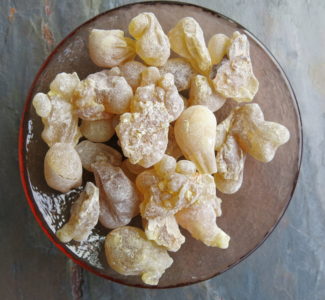
Your magical churches, dark and golden inside,  are filled with spirit, and I yearn to visit. Countless amounts of  precious frankincense offerings over the course of many centuries have permeated every nano particle of these holy buildings, and the aroma of Boswellia sacra is always in the air.  The mysterious Icons shine straight into my soul.

Bulgarian bagpipe player statue in Shiroka Luka, Rhodope Mountains

The asymmetrical rhythms of Turkish, Greek, Macedonian, Serbian and Roma influences in your music weave irresistible tunes to my ears.

Elvira in an ancient Thracian tomb entrance

Your ancient history speaks volumes to me.

Sofia Mosque Bulgaria

Banya Bashi Mosque ,Sofia

 Your  role as  a cultural and commercial crossroad between East and West is significant.

Bulgarian country side in September

If only it were easier for us foreigners to come and hang out with you! You have so much to offer, but unfortunately most of us cannot easily pick up your language. We can’t drive on your pot-holed roads, nor use public transportation, because we cannot read Cyrillic alphabet signs. We’d love to visit and spend our tourist money, but our beloved plastic cash is useless to you.

Country homestead fencing with Rosa canina, bullet shells and skull

We want to fill your huge, new, empty, Aspen and St. Moritz style mountain lodge hotels, and gorgeous restaurants build to entertain, with our friends and family, to enjoy good times  and laughter together.  We want to see the wine and Rakia flow, and watch your delicious Mediterranean cuisine disappear from our plates. But how do we get there?

Gracious host Krastyo

Here is my opportunity to extent a million thanks to my Bulgarian host and his family, who took almost a full week out of his busy life in order to show me his country.  I estimate that he drove more than 2000 miles during my visit; always in good humor and spirits, no matter how long the day, or how bad the road. Without his help I would have not been able to discover beautiful BG. For this I am most grateful.

Yours truly,

Elvira

Pastoral Bulgaria


European Botanical Excursion

In Mid September I flew out to Central and Eastern Europe to meet with medicinal plant producers, and to learn more about the botanical wealth of Austria, Hungary and Bulgaria.

For 2 and 1/2 weeks it’s been a fantastic, educational, illuminating and inspirational trip, and dear friends in each of these 3 countries rolled out the red carpet for me:

Hungary Parliament

Thank you beautiful, noble,  grand people, I do appreciate your hospitality so much.

Over the  coming cold season months I will share with you, valued reader, some tidbits from my botanical  journey.

I will start with the most popular medicinal plant in Central and Eastern Europe, the one that everybody mentions, that I saw everywhere, and that everyone’s grandma swears by, and that seems to have legions of fans in the entire region:

Allow me to introduce you to Achillea millefolium, commonly called Yarrow, and  flowers are the parts typically used.

Yarrow

She thrives in rich, moist, sunny meadows, and is one among many summer flowering plants in the green fields. She might be a humble beauty, but rub a fresh flower between your fingers to release the various potent volatile oils, and you know, there’s a lot more to her than just being wispy and lacy in white, pink or yellow; instead she can pack a punch.

Her sweat inducing, diaphoretic actions make her a prime candidate for influenza tea blends. Elder Flowers, Linden flowers, Peppermint, Boneset, and Ginger are just some of the many options to mix Yarrow flowers with in a cold fighting tea blend.

Yarrow flowers taste very bitter, and these bitters are the reason why this plant is used as a digestive aid, as they stimulate bile. As a urinary antiseptic Yarrow is valued for cystitis.  It is employed for strengthening blood vessels: commercial treatments for hemorrhoids, thrombosis and varicose veins often contain Yarrow.

Historic herbals also mention Yarrow for chronic diarrhea, to curb profuse menstruation and other hemorrhaging, for intestinal irritation, tonsillitis, and to stimulate appetite.

Internally it is best used as a tea herb. Because of the bitter flavor use sparingly and do not let steep for longer than 5 minutes. The tea is best drunk hot. An alcoholic extract, called tincture, will do when you don’t have the tea herb available.

Externally Yarrow flowers can be employed in the form of essential oil, which has an azure blue color due to the high Chamazulene content, and is used  in skin care preparations for it’s anti-inflammatory qualities.

Baled Yarrow flowers for essential oil production in Hungary

Yarrow naturalized in the northern hemisphere, and is an easy to grow, full sun perennial plant for the herb garden.

You can find Yarrow herb, Yarrow essential oil and Yarrow tincture at Mountain Rose Herbs.


Hops, Skullcap, Lemonbalm and Borage Tincture

Labor day weekend: the last chance to celebrate the joys of summer, and an opportunity to prepare for a busy work season ahead during fall and winter.

I am getting ready by making some tincture with fresh plants from the garden, which I will strain and use in 1-2 months.

Hops (Taff's variegated hops) , Skullcap (Scutellaria lateriflora), Borage (Borago officinalis), Lemonbalm, (Melissa officinalis 'Gold Melisse')

fresh tincture from Hops, Skullcap, Lemonbalm and Borage.

Hops (Humulus lupulus) is a sun loving, climbing, perennial vine and an important ingredient Hops Taff's variegatedin beer brewing. The variety I grow is a called ‘Taff’s variegated’. The yellow markings on the leaves, and light green/yellow vertical stripes on the hop bracts make it a highly ornamental plant for the garden landscape, and produces attractive dried hop botanicals. A few drops of the bitter tincture, taken with hot herbal tea, may help me go to sleep at night.

Scutellaria lateriflScutellariaora, commonly called Skullcap, is non-showy perennial, at home in part shade, moist places of North American forests.  It is one of my favorite central nervous system tonics. 1-2 dropper full of this tincture with tea or other liquid will help me go to sleep.  I also hope it will provide me some pain relief from a  herniated cervical disk sac, which presses onto a nerve. Because it is anti-spasmodic, it can  be employed for menstrual cramping,or to relieve coughing fits from bronchitis. It is a very useful remedy when life requires instant adaption, so I  always have an emergency supply on hand.


Gold Melissa and Gooseberry Lemonbalm (Melissa officinalis) is a perennial, which thrives in moist soils, and part shade to full sun exposure. I cultivate a variety called ‘Gold Melisse’, which has particularly lemony aroma, and a beautiful lemon yellow/lime green variation on the leaves. I will use 1-2 glass droppers of tincture, together with tea, for fevers, because Melissa is an Anti-Viral. I will also use it as a general tonic for my compromised nervous system. Combined with Skullcap, Melissa might bring relief to those suffering from Shingles. The tincture can also be applied externally to Herpes Simplex sores.

 Borage (Borago officinalis), a sun loving, easy annual plant, has ‘busy’ written all over. It draws huge crowds of hungry bees, who feast on the abundance of flowers which emerge daily anew. Flowers and leaves taste of cucumber and can be used for culinary dishes. The oil contained in Borage seeds is high in Essential Fatty Acids, which reduce inflammation. I made a tincture of leaves and flower stalks, and will take 1 dropper with tea, as an adrenal support, to aid my endocrine system, which is compromised due to Hypothyroidism.

Borage and Bee in herb garden

Looking to purchase any of these herbs?

Mountain Rose Herbs is an excellent  online source for a variety of organic herbal products.

Natural,Compostable Kitty Litter

Cats are wonderful animal companions, which keep mice at bay. For both reasons I would not do without them.

The kitty litter box I do not like. Both of our cats go outside, but at least one prefers to use the box all year; during rainy, cold seasons both resort to it. Since the dogs tend to eat the garden cat feces findings, which makes them sick over time, I take advantage of being able to remove those immediately from the cat box before they cause a canine digestion problem.

Commercial cat litter is expensive, and most are filled with artificial fragrances, chemical compounds, and other suspicious materials, which are not recyclable. Clay based kitty litter stirs up dust, which may cause you or your cat silicosis.Clumping kitty litter may have consequences to the septic system, such as clogged pipes. Newspaper pellet based litter does not soak up urine properly, and wood based products marketed towards cat owners tend to be the most expensive.

Over the years I’ve tried out just about every kitty litter type out there, and here is what’s stuck:

Dry Den Natural Animal Bedding

It is made by Bear Mountain Forest Products, based in Portland, Oregon. It’s made of wood sawdust pallets, and costs less than $5 per 33 lb bag at US North West feed stores. It is 100% compostable. It is marketed towards horse owners, but also works for other purposes.

This is how I use it for kitty litter:

  • Thinly cover the litter box bottom with the pellets. I use a scoop made from from a 1/2 gallon plastic jug for this job. You may add a handful of lavender flowers.
  •  Remove feces with a kitty litter scoop, and either bag up to dispose of into garbage, or into a designated 5 gallon plastic bucket with lid, stored in dark, cool location outside. (I choose second option).
  •  Cat urine will be soaked up by the wood pellets, and the wood material will double in volume. Once all pellets have turned into soft pulp, after about 2 days/ for 1 cat, dump kitty litter contents into the plastic bucket with lid.
  • When the bucket is full, spread contents around tree bases as mulch, away from house/paths/commonly used areas.

Trees thrive on the wood pellet kitty litter mulch, as it acts both as fertilizer, and as moisture conserving mulch.

natural cat box litter


How to make a tincture/extract

Herbal tinctures, also called extracts, are made from plant material macerated in alcohol, a process which extracts the active compounds from the botanical.

Tinctures are an excellent form of herbal supplements for anybody who can consume alcohol, because they are easily administered, and immediately absorbed into the system. Due to the high alcohol content they are not suitable for animals or small children.

Tinctures are easy and inexpensive to make, and here is how:

  • steep plant material in 40% clear alcohol in a closed mason jar, let steep in cool, dark place for at least 2 weeks, shake occasionally, strain when done.
  • for dry plant material use 1 part cut and sifted botanical to 3 parts of alcohol. The dried botanical will expand when exposed to the liquid.
  • wash dry roots before tincturing to remove soil, and to pre-wet the material for better absorption.
  • for fresh plant material fill the jar with the herb, and add enough alcohol, to cover the herb material. If you don’t have enough plant material to fill the jar at once, you can add to it daily, e.g when tincturing  St. John’s Wort flowers, or Mullein flowers.

The plant material may steep for prolonged time in the alcohol; I leave it for months before straining. Because of the high alcohol content the tincture will keep for years if stored in a cool, dark place.

Choose a good quality alcohol as your macerating medium. Clear alcohol is preferred, because alcohol with color may contain additives. Vodka, grain alcohol, fruit brandies are good choices.

Powders are not suitable for making tinctures as they are too fine to strain out. Cut and sifted, or whole plant material is preferred, which will collect residue at the bottom of the jar nonetheless.

To strain the botanical from alcohol, place sieve over a wide funnel into another jar, and press out the liquid. A potato press with sturdy handles may assist as well. At the final bottling stage into individual  glass bottles, as needed,  I add a cotton ball into the mouth of the small funnel, in order to additionally filter out extra fine residue.

When you make your own tinctures, the result will not be a standardized product, and it does not come with dosage instructions. If that bothers you, purchase only standardized extracts from pharmaceutical manufacturers. Most tinctures/extracts available at health food stores are not standardized, because they are made using the same basic method as described here, and they come with general dosage instructions: 1-2 dropper full, or 1/2-1 tea spoon.

Tinctures made from Chamomile or Calendula flowers,  Juniper berries or fir needles, may be applied externally, when diluted with Witch hazel extract, as a liniment.

Mixed alcohol drinks, known as cocktails,  were invented by utilizing medicinal plant tinctures, which were commonly used in centuries past, into recreational drink mixtures. There is a revival of creating tinctures specifically for cocktails among mixed drink enthusiasts.

Prepare your tinctures now, to be ready for the coming fall and winter months.

These tinctures I keep stocked:

Astragalus root, Eleuthero root (Siberian Ginseng), Ginseng root, Echinacea root, Elecampane root, Calendula flowers, Catnip, Elder berries, Elder flowers, Bilberries, SkullcapMotherwort, St. John’s Wort flowers, Mullein flowers.

Always research any medicinal plant thoroughly before use. Consult with a licensed health care practitioner when encountering illness.

Common sense dictates to stay far away from known poisonous plants, such as Poke root or Mistletoe.

Essential tincture making ingredients are available at Mountain Rose Herbs.

View a video on how to make a tincture here: Liquid Herbal Tinctures

Conventional, organic and wildcrafted herbs: what’s the dif and why it matters

I truly wish I could give you a quick answer to that question. But unfortunately it is complicated. Very complicated.

Conventional

The term ‘conventional’,  when used to describe agricultural methods, was invented by the synthetic fertilizer, pesticide, herbicide and other agricultural chemical products industry. It emerged as part of the global chemical industry boom experienced after WW2, and is now domineering agricultural practices globally, reaping billions of dollars in profits every year.

Applied to reality ‘conventional’  translates into ‘anything but certified organic’. ‘Conventional’ could be a spice, tea, herb, or other food crop that was wild crafted in a remote, pristine area. It could also be a food product that was genetically engineered, grown with the use of pesticides and herbicides, fumigated and sterilized, and exposed to radiation, and anything in between.

Certified Organic

Certified ‘organic’ means that the product was grown, processed and handled according to organic standards.

Common perception is that these organic crops were cultivated, but organic industry standards have changed to include ‘organic wild crafted’. What most people don’t realize is that the great majority of medicinal plants available on the commercial market are actually wild crafted in a certified organic wild area. ‘Certified organic’ can now include ‘organically wild collected in an certified area’. It no longer means only ‘organically cultivated’.

Wild Crafted

‘Wild crafted’ means that the crops were collected in the natural outdoor environment, whether that is  a remote area far away from civilization, or a green strip along a highway.

People who wild craft herbs for a living tend to be of marginalized, impoverished population segments in rural areas, very often they are women and children. They perform taxing labor, in harsh conditions, in remote areas, and  typically get paid their meager rewards in cash by the end of the day. These could be poor folks digging up roots and stripping tree bark in  US woods, or Roma Gypsies collecting wild plants in Eastern Europe, or women digging up Devils Claw root in South Africa, harvesting Frankincense in Somalia, or  Rhodiola root in China.

The environmental damage inflicted by these collection activities is immense, as demand exceeds supply, and subsequent waste/spoilage, which occurs during the long transportation process between plant  harvest  to the end consumer, is huge.

‘Wild collected organic certified’ collection guidelines do include that a reasonable amount of plants need to be left in the wild to ensure survival of the species. Likewise, if people subsisting of the plants growing wild in their natural surroundings can count upon a steady income to rely on over the years, they may be more prone to implement techniques that will ensure continuous revenues from these plants. However, since all this is done in remote areas, it is very difficult to monitor compliance, and the dire economical situation of the gatherers may not be conducive to long term strategies.

 So what to do when purchasing herbs, teas, spices and medicinal plants?

  • Buy only what you are going to use before the natural product expires; all botanicals are perishable over time. Store your herbs in sealed glass containers, in a dry, dark environment.
  • Use certified organic herbs that are cultivated on a large scale in the suitable climate, such as pantry staple kitchen herbs and spices . Or use plants that are known weeds.
  • Avoid all plants which cannot be cultivated, because they can only grow in their native habitat. Of particular concern are forest plants, alpine plants, desert and steppe plants.
  • Research diligently before buying roots or tree barks. Shrubs, and many perennial plants, which are harvested for their roots and rhizomes, take several years before reaching harvest maturity. Once they are dug up for  commercial harvest, there is nothing left of the plant. Trees are unforgiving to any damage to their cambium, as bark wounds allow entry to fungus and insect attacks, with tree death as a result. Most trees barks available on the commercial market were stripped from felled trees.
  • don’t fall victim to herb fads. Most likely the exotic, rare herb, that the TV celebrity of the day is touting, is not your only option. There are medicinal plants in any climate zone of this globe, which have been used by the inhabitants for the history of human kind. It is most appropriate to utilize the medicinal plants that readily available to you where you live.
  • grow your own. If you live in an apartment in the US, there is may be a community garden plot available to you not too far. If you are renting, create your own little garden plot on the rented spot. Gardening is an entirely temporary activity:  as soon as you stop actively tending to your garden, it will go to weeds and no longer be a garden. Start gardening on the land you have at your finger tips, even it it is just a window sill.

Geranium windowsill

Need a reliable source for dried organic herbs, whether organically cultivated, or organically collected wild ?

Mountain Rose Herbs has you covered for herbs, oils and other herbal accessories.